
ระบบปรับอากาศสำหรับจอดรถบรรทุกขนาดใหญ่: การเติบโตของโซลูชัน APU ไฟฟ้าในอุตสาหกรรมรถบรรทุกของสหรัฐอเมริกา
ในช่วงไม่กี่ปีที่ผ่านมา คำหลัก“ที่จอดรถบรรทุกขนาดใหญ่พร้อมเครื่องปรับอากาศ”เทคโนโลยีนี้กำลังได้รับความสนใจอย่างรวดเร็วในตลาดรถบรรทุกของอเมริกาเหนือ เบื้องหลังกระแสนี้คือการเปลี่ยนแปลงครั้งสำคัญในอุตสาหกรรม: จากระบบระบายความร้อนด้วยการเดินเครื่องยนต์แบบดั้งเดิม ไปสู่ระบบปรับอากาศที่ประหยัดพลังงานและใช้พลังงานจากแบตเตอรี่ ซึ่งโดยทั่วไปเรียกว่า หน่วยพลังงานเสริมไฟฟ้า (eAPU) เนื่องจากต้นทุนเชื้อเพลิงสูงขึ้น กฎระเบียบด้านสิ่งแวดล้อมเข้มงวดขึ้น และความสะดวกสบายของคนขับกลายเป็นสิ่งสำคัญ ระบบปรับอากาศขณะจอดรถจึงกลายเป็นมาตรฐานมากกว่าเป็นเพียงตัวเลือกเสริม
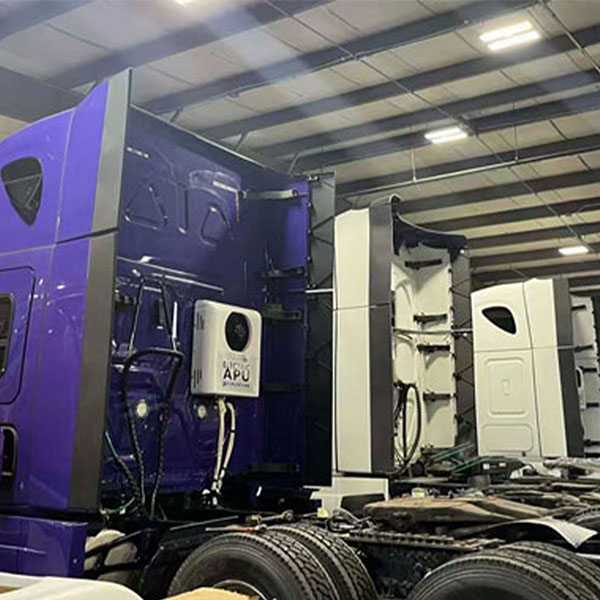
ปัญหา: การระบายความร้อนโดยไม่ต้องเดินเครื่องเปล่า
เป็นเวลาหลายสิบปีแล้วที่คนขับรถบรรทุกระยะไกลอาศัยการติดเครื่องยนต์ไว้เพื่อจ่ายไฟให้กับเครื่องปรับอากาศในห้องโดยสารระหว่างช่วงพัก อย่างไรก็ตาม การกระทำเช่นนี้มีข้อเสียที่สำคัญหลายประการ
การเดินเครื่องยนต์ในรอบเดินเบาจะกินพลังงานประมาณสิ้นเปลืองน้ำมันเชื้อเพลิง 0.5 ถึง 1 แกลลอนต่อชั่วโมงส่งผลให้สิ้นเปลืองเชื้อเพลิงอย่างมากในช่วงเวลาพักเครื่องที่ยาวนานนอกจากนี้ การจอดรถติดเครื่องยนต์เป็นเวลานานยังทำให้เครื่องยนต์สึกหรอเร็วขึ้น ค่าบำรุงรักษาสูงขึ้น และปล่อยมลพิษมากขึ้น ด้วยเหตุนี้ รัฐและเขตปกครองท้องถิ่นหลายแห่งในสหรัฐอเมริกาจึงได้ออกกฎระเบียบห้ามจอดรถติดเครื่องยนต์ โดยมักจำกัดเวลาจอดรถติดเครื่องยนต์ไว้เพียงไม่กี่นาที.
นี่จึงก่อให้เกิดความท้าทายที่สำคัญ: ผู้ขับขี่จะรักษาอุณหภูมิภายในห้องโดยสารให้เหมาะสมได้อย่างไร โดยเฉพาะอย่างยิ่งในช่วงกลางคืนของฤดูร้อน โดยไม่ฝ่าฝืนกฎระเบียบหรือสิ้นเปลืองเชื้อเพลิง?
วิธีแก้ปัญหา: ระบบปรับอากาศสำหรับจอดรถบรรทุกขนาดใหญ่ (เครื่องกำเนิดไฟฟ้าเสริม)
ระบบปรับอากาศสำหรับจอดรถบรรทุกขนาดใหญ่ โดยเฉพาะอย่างยิ่ง APU ไฟฟ้า เป็นโซลูชันที่ทันสมัย ระบบเหล่านี้ทำงานเป็นหน่วยพลังงานอิสระที่ทำงานได้โดยไม่ต้องใช้เครื่องยนต์หลักของรถบรรทุก
APU ไฟฟ้าทำงานในลักษณะดังต่อไปนี้โรงไฟฟ้าขนาดเล็กที่ใช้พลังงานจากแบตเตอรี่โดยจ่ายพลังงานให้กับระบบปรับอากาศ ระบบไฟส่องสว่าง และระบบอื่นๆ บนเรือขณะที่เครื่องยนต์ดับอยู่ขณะขับขี่ เครื่องกำเนิดไฟฟ้าของรถบรรทุกจะชาร์จแบตเตอรี่สำรองไว้ ซึ่งจะนำไปใช้จ่ายไฟให้กับระบบปรับอากาศในระหว่างการจอดรถหรือช่วงพักรถ
แตกต่างจากระบบแบบดั้งเดิม เครื่องปรับอากาศสำหรับที่จอดรถมีข้อดีดังนี้:
ระบบระบายความร้อนขณะดับเครื่องยนต์
การทำงานเงียบและปราศจากมลพิษ
ความสบายอย่างต่อเนื่องตลอดช่วงเวลาพักผ่อน
ประโยชน์หลักที่ผลักดันให้ตลาดนำไปใช้
1. ประหยัดเชื้อเพลิงได้อย่างมาก
ประสิทธิภาพการใช้เชื้อเพลิงเป็นหนึ่งในปัจจัยสำคัญที่สุดที่ผลักดันให้มีการนำระบบปรับอากาศสำหรับจอดรถมาใช้ การลดเวลาจอดรถติดเครื่องยนต์จะช่วยให้กลุ่มลูกค้าประหยัดค่าใช้จ่ายได้มากขึ้นรถบรรทุกแต่ละคันใช้น้ำมันดีเซลประมาณ 1,200 ถึง 1,800 แกลลอนต่อปีซึ่งหมายถึงการประหยัดค่าใช้จ่ายได้หลายพันดอลลาร์.
สำหรับผู้ประกอบการขนส่งที่จัดการรถบรรทุกหลายสิบหรือหลายร้อยคัน ผลประหยัดโดยรวมจะเพิ่มขึ้นอย่างมากอย่างรวดเร็ว
2. การปฏิบัติตามกฎระเบียบห้ามจอดรถติดเครื่องยนต์นานเกินไป
ด้วยนโยบายด้านสิ่งแวดล้อมที่เข้มงวดมากขึ้นทั่วสหรัฐอเมริกา การปฏิบัติตามกฎระเบียบจึงไม่ใช่เรื่องที่เลือกได้อีกต่อไป เครื่องกำเนิดไฟฟ้าเสริม (APU) ช่วยให้ผู้ขับขี่สามารถรักษาความสะดวกสบายภายในห้องโดยสารได้โดยไม่ต้องสตาร์ทเครื่องยนต์ ซึ่งช่วยให้บริษัทขนส่งหลีกเลี่ยงค่าปรับและปัญหาด้านกฎระเบียบได้
ระบบเหล่านี้มีประโยชน์อย่างยิ่งในรัฐและเมืองที่มีข้อจำกัดเรื่องการจอดรถติดเครื่องยนต์อย่างเข้มงวด ซึ่งวิธีการระบายความร้อนแบบดั้งเดิมไม่สามารถใช้งานได้อีกต่อไป
3. ลดการปล่อยมลพิษและความยั่งยืน
ระบบปรับอากาศสำหรับจอดรถไฟฟ้าผลิตกระแสไฟฟ้าไม่มีการปล่อยมลพิษระหว่างการใช้งานจึงทำให้พวกมันเป็นองค์ประกอบสำคัญในกลยุทธ์การพัฒนาอย่างยั่งยืนของกองยานพาหนะ.
เนื่องจากบริษัทโลจิสติกส์เผชิญกับแรงกดดันที่เพิ่มขึ้นในการลดปริมาณการปล่อยก๊าซคาร์บอน การนำ APU ไฟฟ้ามาใช้จึงสอดคล้องกับเป้าหมายด้าน ESG และโครงการขนส่งที่เป็นมิตรต่อสิ่งแวดล้อม
4. อายุการใช้งานเครื่องยนต์ยาวนานขึ้นและค่าบำรุงรักษาต่ำลง
การจอดรถติดเครื่องยนต์ทิ้งไว้ไม่เพียงแต่สิ้นเปลืองน้ำมันเชื้อเพลิง แต่ยังเร่งการสึกหรอของเครื่องยนต์อีกด้วย การลดชั่วโมงการจอดรถติดเครื่องยนต์ทิ้งไว้—ซึ่งมักจะลดลงมากกว่า 1,000 ชั่วโมงต่อปี—ระบบปรับอากาศขณะจอดรถจะช่วยยืดอายุการใช้งานของเครื่องยนต์และลดความถี่ในการบำรุงรักษา.
ซึ่งหมายถึงต้นทุนรวมในการเป็นเจ้าของ (TCO) ที่ต่ำลงตลอดอายุการใช้งานของรถบรรทุก
5. เพิ่มความสะดวกสบายและดึงดูดใจผู้ขับขี่มากขึ้น
ความสะดวกสบายของผู้ขับขี่ได้รับการยอมรับมากขึ้นเรื่อยๆ ว่าเป็นปัจจัยสำคัญในการรักษาพนักงานและเพิ่มประสิทธิภาพการทำงาน ระบบปรับอากาศขณะจอดรถให้ความเย็นสม่ำเสมอในช่วงเวลาพักผ่อน ทำให้ผู้ขับขี่สามารถนอนหลับได้อย่างสบายไม่ว่าอุณหภูมิภายนอกจะเป็นอย่างไรก็ตาม
ในอุตสาหกรรมที่กำลังเผชิญกับปัญหาการขาดแคลนคนขับ การปรับปรุงดังกล่าวสามารถสร้างความได้เปรียบในการแข่งขันให้กับผู้ประกอบการขนส่งได้
APU ดีเซล เทียบกับ APU ไฟฟ้า: การเปลี่ยนแปลงของตลาด
โดยทั่วไปแล้ว เครื่องกำเนิดไฟฟ้าเสริมแบบดีเซลถูกนำมาใช้กันอย่างแพร่หลายเพื่อจ่ายพลังงานเสริม อย่างไรก็ตาม เครื่องกำเนิดไฟฟ้าเสริมแบบไฟฟ้ากำลังได้รับความนิยมอย่างรวดเร็วเนื่องจากมีข้อดีหลายประการ:
ไม่มีการสิ้นเปลืองเชื้อเพลิงระหว่างการใช้งาน
ลดระดับเสียงรบกวน
ลดความซับซ้อนในการบำรุงรักษา
ปล่อยมลพิษเป็นศูนย์
แม้ว่า APU ดีเซลจะยังมีระยะเวลาการทำงานที่ยาวนานกว่าในบางกรณี แต่ระบบไฟฟ้ากำลังกลายเป็นตัวเลือกที่ได้รับความนิยมมากขึ้นสำหรับกลุ่มยานพาหนะที่ให้ความสำคัญกับประสิทธิภาพและความยั่งยืน